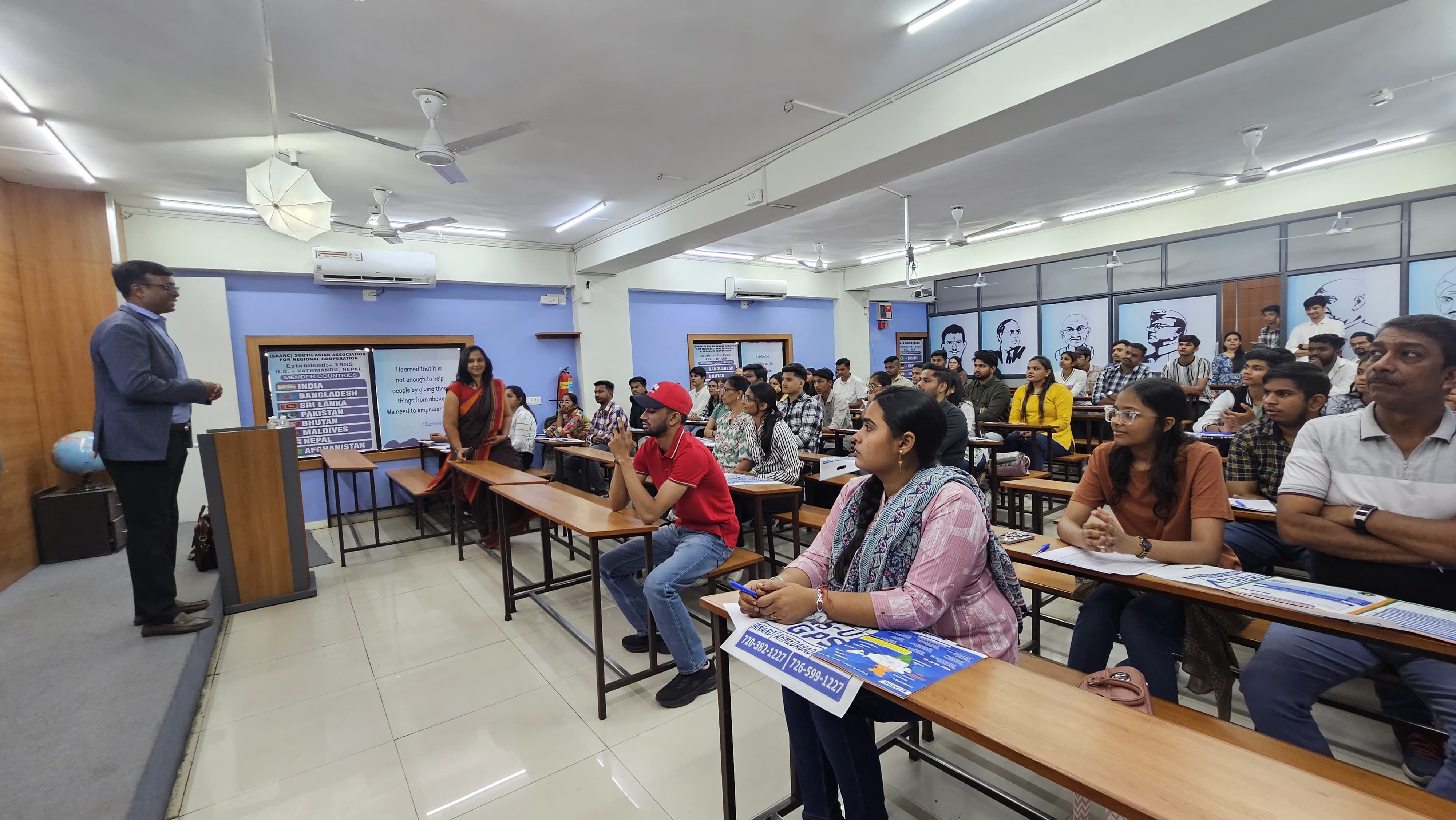
Starting your UPSC preparation from zero can feel confusing and overwhelming, especially with the vast syllabus and intense competition. However, with the right strategy, clarity, and consistency, any beginner can build a strong foundation and move confidently towards success in the civil services exam.
The first and most important step is to understand the UPSC exam pattern, which consists of three stages—Prelims, Mains, and the Interview. Each stage requires a different approach, so your preparation should be aligned accordingly from day one. Without this clarity, many aspirants end up studying randomly without direction.
Once you understand the structure, begin your preparation with NCERT books, which are considered the backbone for UPSC. These books help you develop conceptual clarity in subjects like history, geography, polity, and economics. Instead of rushing into advanced materials, focus on building strong basics first, as this will make your overall preparation much more effective.
After completing NCERTs, move on to a limited number of standard UPSC books. One of the biggest mistakes beginners make is collecting too many resources. UPSC is not about how much you study, but how well you revise. Stick to one source per subject and revise it multiple times to strengthen retention and understanding.
Alongside static preparation, make current affairs for UPSC a daily habit. Reading newspapers such as The Hindu or Indian Express helps you stay updated and develop analytical thinking. More importantly, try to connect current events with static topics, as this integration is crucial for both Prelims and Mains.
Another key element is starting UPSC answer writing practice early. Many aspirants delay this, thinking they need to complete the syllabus first. In reality, answer writing is a skill that improves over time. Begin with simple questions, focus on structuring your answers (introduction, body, conclusion), and gradually improve your quality.
Consistency plays a bigger role than long study hours. You don’t need to study 12–14 hours daily to crack UPSC. Instead, aim for 6–8 focused hours with proper revision and discipline. Avoid burnout, track your progress, and stay committed to your routine.
Lastly, avoid common mistakes such as using too many sources, ignoring revision, skipping answer writing, or constantly comparing your journey with others. UPSC preparation is a personal journey, and staying focused on your own progress is essential.
Leave a Reply